
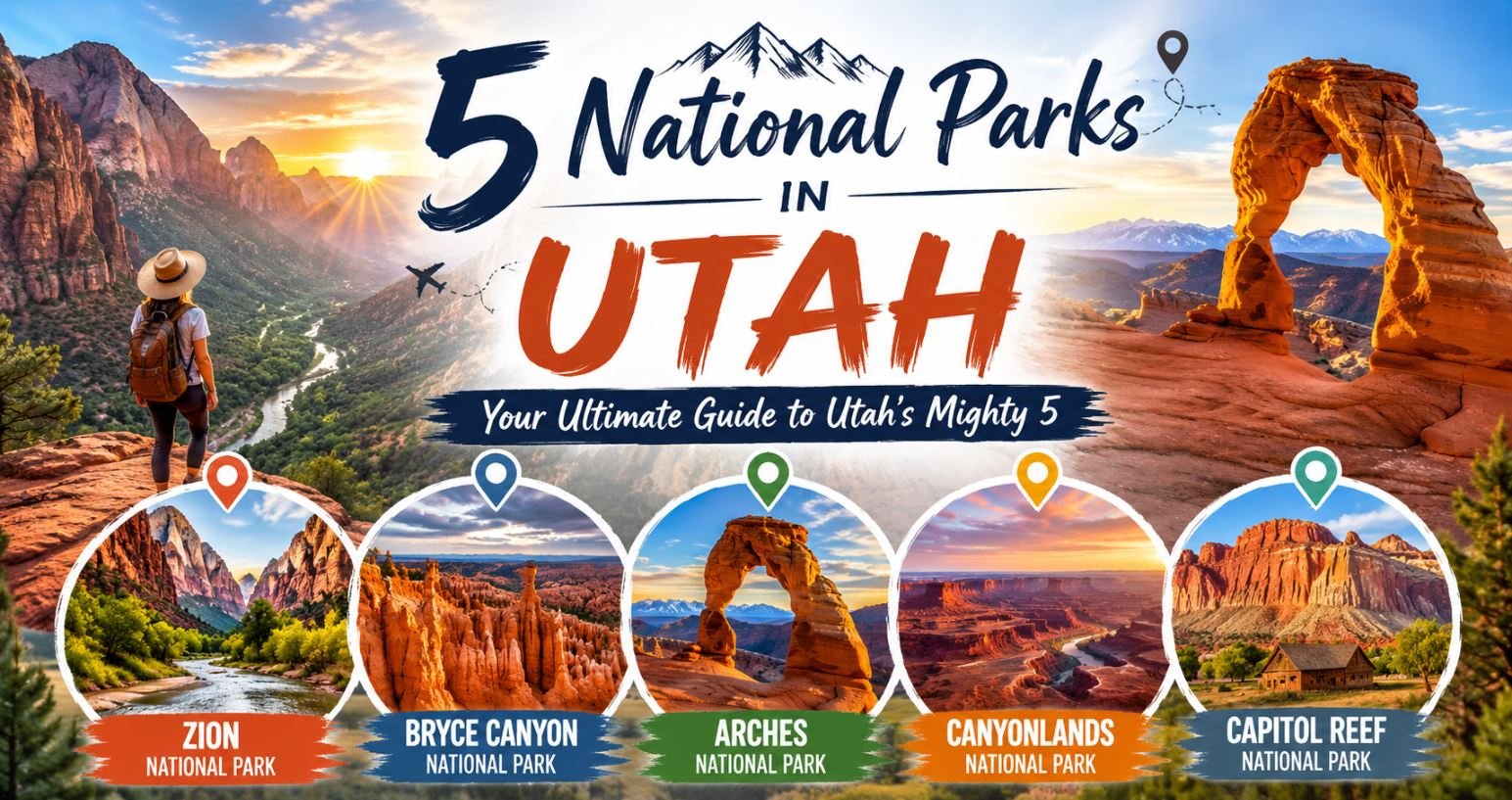
Utah is home to some of the most breathtaking landscapes in the United States, from towering red cliffs and natural arches to deep canyons and unique rock formations. The 5 national parks in Utah, also known as the “Mighty 5,” offer unforgettable experiences for nature lovers, adventure seekers, and photographers.
The five parks – Zion National Park, Bryce Canyon National Park, Arches National Park, Canyonlands National Park, and Capitol Reef National Park – each have their own unique scenery, hiking trails, and attractions. Whether you are planning a road trip or looking for the best places to explore in Utah, this guide will help you discover the top national parks, must-see spots, and travel tips for an amazing journey.
What are the 5 national parks in Utah?
The 5 national parks in Utah, also known as the “Mighty 5,” are Zion National Park, Bryce Canyon National Park, Arches National Park, Canyonlands National Park, and Capitol Reef National Park. Each park offers unique landscapes, outdoor activities, and scenic experiences that make Utah one of the best destinations for nature and adventure lovers.
1. Zion National Park
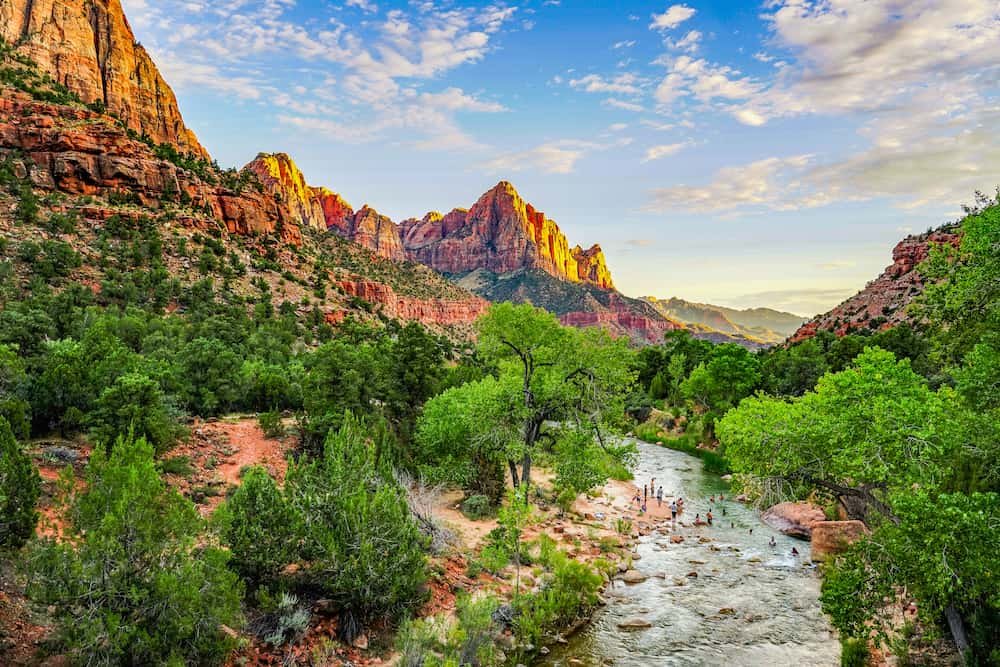
Zion’s world-famous hiking paths, its grand canyons, the massive sandstone walls and its stunning natural scenery are some of the reasons for its popularity. Challenge lovers find great fun on high vocational walks such as Angels Landing and The Narrows is a special and unique walk where you will walk through a river between the tall canyon cliffs. The views from the overlooks are breathtaking and full circle throughout the park with all of them being memorable and adored by visitors. Visitors to Zion can enjoy an exciting outdoor adventure, whether they are hiking, enjoying sightseeing, or exploring the outdoors, the area has something to offer each visitor.
2. Bryce Canyon National Park
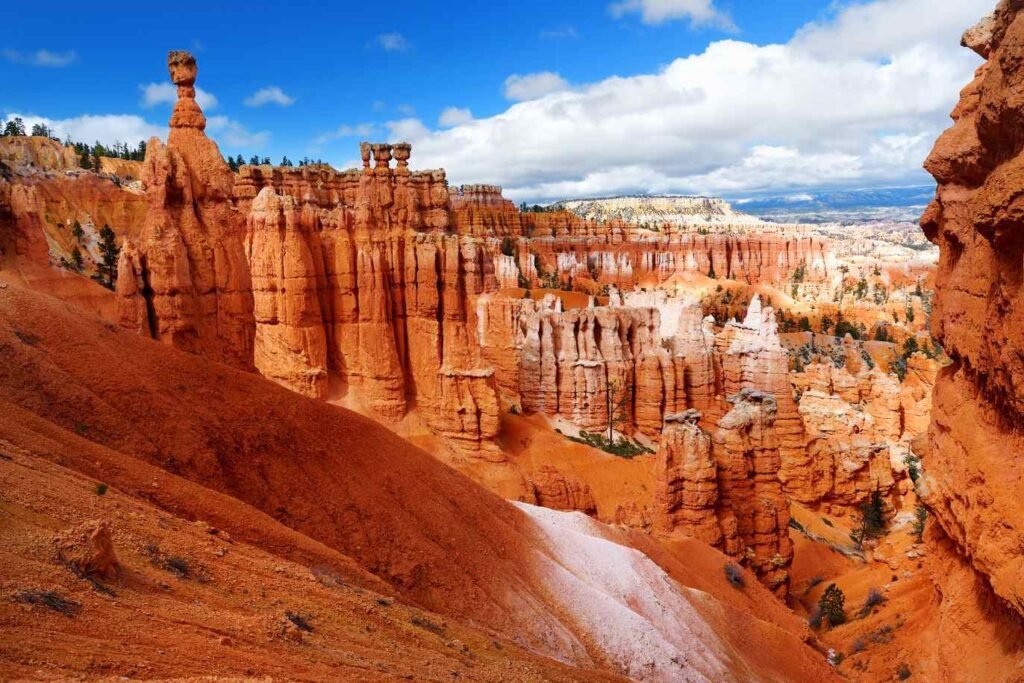
Bryce Canyon is one of the world’s most extraordinary natural wonders, featuring unique hoodoo rock formations, spectacular natural amphitheatres and breathtaking natural views of sunrise and sunset. The vibrant red, orange and pink rock formations are truly amazing and change colour as the day goes on. With its sprawling trails, spectacular vistas, and unique experiences, it is an ideal destination for memorable hikes, stunning photography, and nature lovers. A visit to Bryce Canyon is an incredible outdoor experience, whether the experience is exploring its rugged landscape or taking in its beauty.
3. Arches National Park
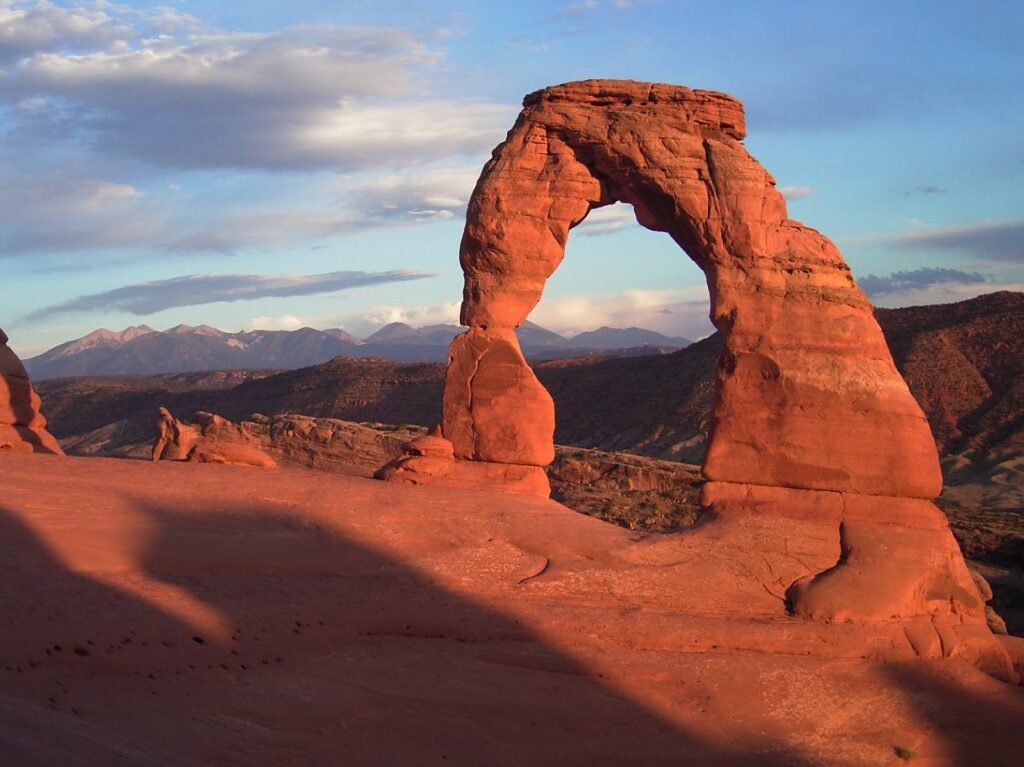
There are thousands of amazing natural rock arches at Arches National Park, including the world-famous Delicate Arch. A scenic drive through dramatic desert landscapes, well-maintained trails for hiking and remarkable sandstone formations for viewing the result of millions of years of erosion await the visitors. The park boasts stunning vantage points, spectacular snap opportunities and sure-to-be-memorable sunsets. From short strolls to extended hikes, Arches National Park offers a truly unique outdoor experience, highlighting the beauty and geologic marvels of the American Southwest.
4. Canyonlands National Park
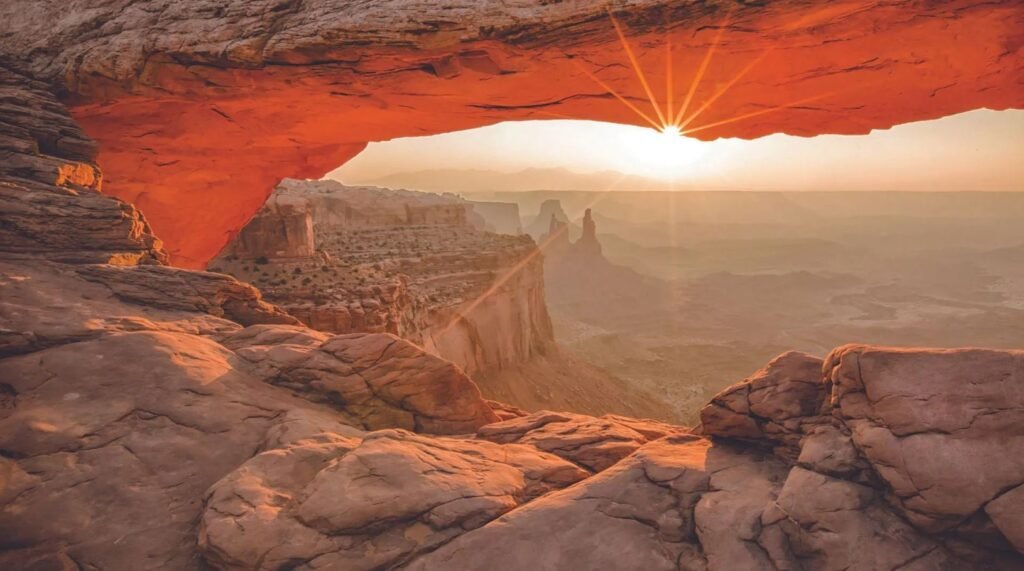
Canyonlands is known for its spectacular and unique landscape, characterized by deep canyons, meandering streams, striking rock formations, and expansive desert areas. The park presents an incredible sight and a wonderful experience in the outdoors with a dramatic setting of the Colorado and Green Rivers which have been cutting through rugged terrain for millions of years. It is a popular place for hikers to take scenic walks, off-roaders for backcountry excursions and sightseers to admire panoramic vistas. Canyonlands is one of the most incredible parks in the U.S. because of its many landscapes along with its limitless chances for adventure.
5. Capitol Reef National Park
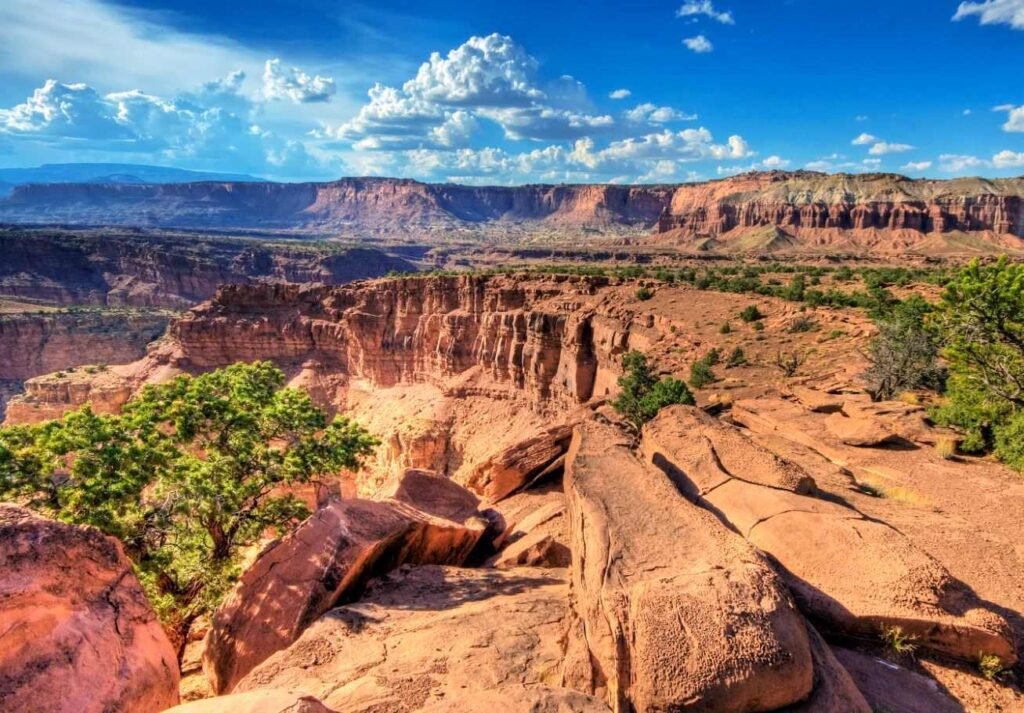
The point and color of Capitol Reef’s rock formations, its towering cliffs, its deep canyons, and its unique geologic wrinkle, the Waterpocket Fold, about 100 miles long, are given due mention. It is generally a more relaxed and quiet national park, as compared to others in the country, allowing possible scenic driving, picturesque hiking trails and breathtaking desert landscape at a relaxed pace. The historic orchards, interesting rock art and variety of wildlife also make the park a good place for nature enthusiasts and outdoor lovers.
What is the best time to visit Utah national parks?
Spring (March-May) and Fall (September-November) are the best times to visit the national parks in Utah, as the weather is mild, movement patterns are relaxed and outdoor endeavours such as walking and exploring these parks are more pleasant. They make great times to explore one of these “Mighty 5” parks: Zion National Park, Bryce Canyon National Park, Arches National Park, Canyonlands National Park and Capitol Reef National Park.
Spring (March to May)
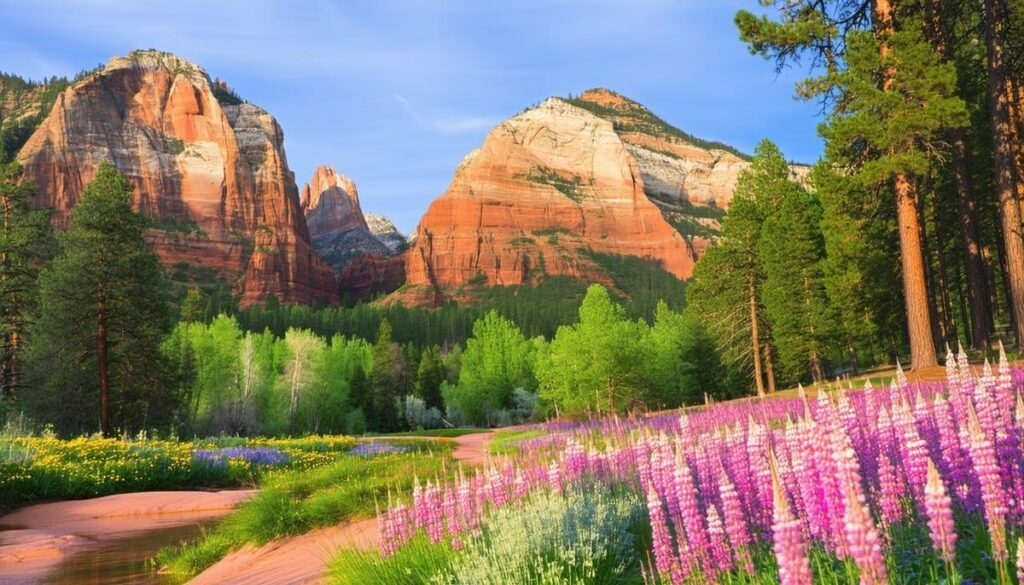
The time of year from the spring is amongst the very best seasons to really visit the Utah national parks. Very nice hikes and trails, not so hot, usually nice weather, may see wildflowers at some location and a little more comfortable hike in the Fall than in the Summer.
Summer (June to August)
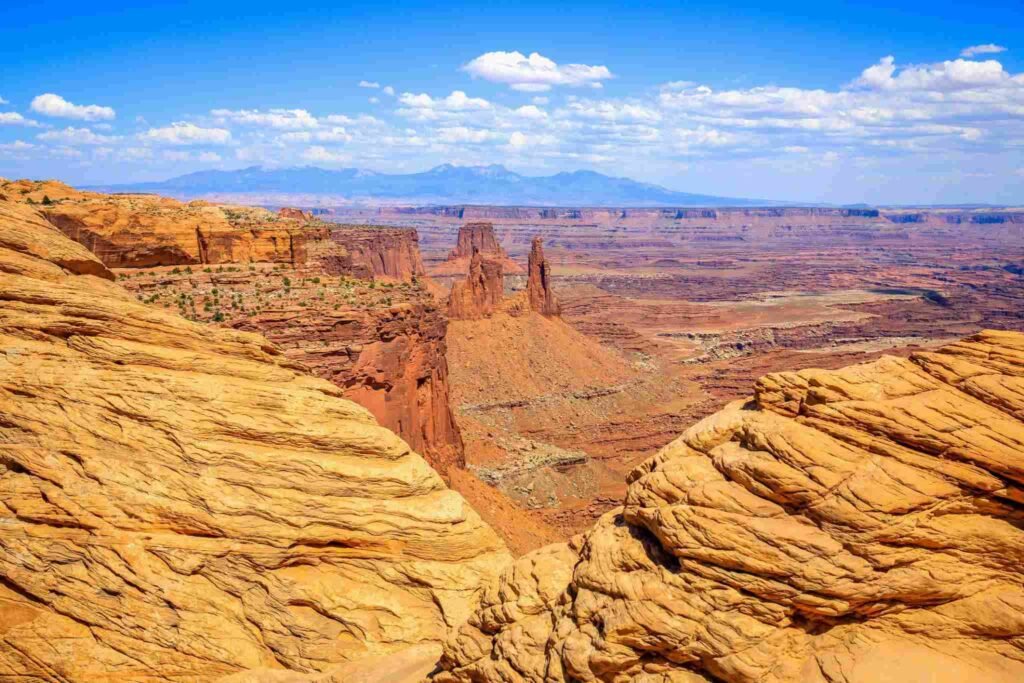
The summer holidays and extra daylight hours make the summer time the busiest. A wonderful morning to go for a hike but can get very hot, especially in the deserts, as in Arches and Canyonlands.
Fall (September to November)
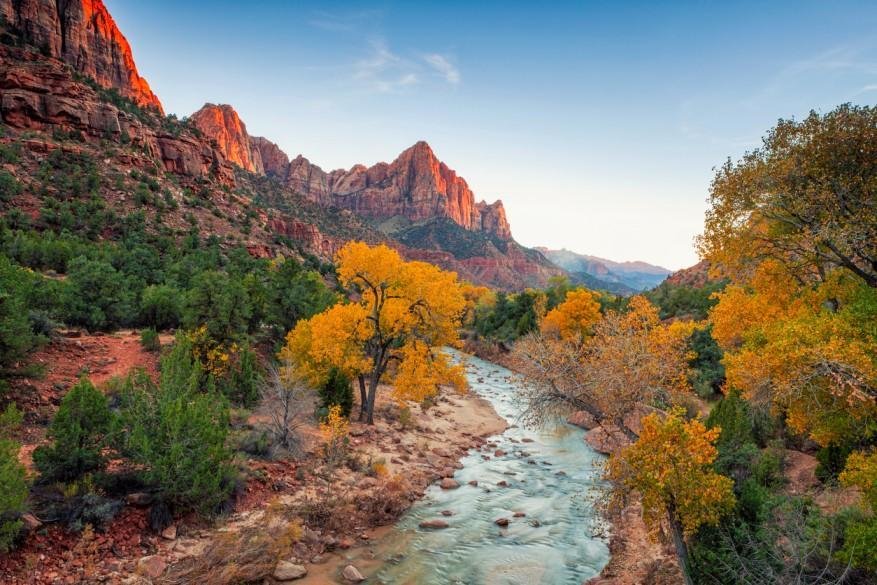
Fall is another great time to visit Utah’s national parks! Fall is really now the time to hike, take photos or take a road trip, as it’s cooler, less crowded, and with the autumn colors.
Winter (December to February)
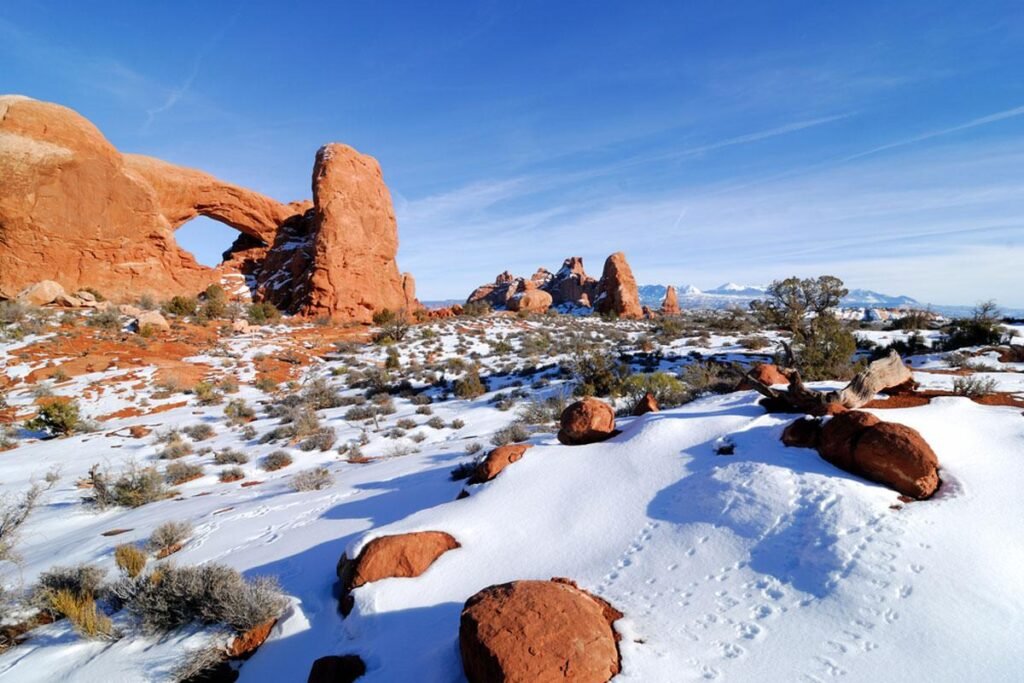
Less visitors, quiet park experiences in time of year: winter. Increases in snow and freezing temperatures may occur in some elevations with snow prone areas like Bryce Canyon. This is a great choice for people who prefer peace and privacy when they’re on the road.
Best time based on activities:
Hiking: Spring and fall
Photography: Early morning and sunset during spring/fall
Avoiding crowds: Winter and late fall
Road trips: Spring and fall for comfortable driving conditions
Tips for Visiting All 5 Utah National Parks
However, to cover the 5 national parks in Utah, some planning is necessary as each park has varying landscapes, activities and travels. These tips can help you make the most of your Utah “Mighty 5” adventure.
1. Plan Your Route in Advance
Planning the driving route around the state can save time since the five national parks of the state are located throughout it. A lot of people take the trip to them through a road trip, starting with such parks as a whole lot of close to, allowing them to design a roadtrip schedule.
2. Visit During the Best Season
The spring and fall are the ideal times to travel to national parks in Utah. Less extreme temperatures which make hiking, sightseeing and photography more enjoyable.
3. Start Early to Avoid Crowds
Popular areas such as Zion or Arches may be extremely crowded, particularly in peak seasons. Getting here early, allows you to park, avoid the crowded trails and has better lighting for photographs.
4. Carry Enough Water and Essentials
The deserts of Utah can be arid and warm. When you visit also bring lots of water, snacks, sun cream, comfortable hiking boots and clothes for the weather.
5. Check Park Conditions Before Visiting
Travel conditions and weather often change and control travel plans. Please refer to any current information about park closings and conditions before leaving for your adventure.
6. Book Accommodation Early
In the spring, summer and fall stay reservations for hospitality accommodations and campsites often fill up quickly. Reservations may provide you better choice of facilities in the vicinity of the parks.
7. Take Time to Explore Each Park
Each of Utah’s national parks has something unique to offer. Rather than visiting all five, take time to discover the various famous viewpoints, hikes and other stunning places in every site.
8. Follow Leave No Trace Principles
Do not litter, be on designated trails, respect wildlife and park rules in the interest of preserving the beauty of the state.
FAQs
1. What are the 5 national parks in Utah?
The five actually national parks in the State of Utah, in Utah are referred to as the Mighty 5, the parks are Zion National Park, Bryce Canyon National Park, Arches National Park, Canyonlands National Park, Capitol Reef National Park.
2. How many days do you need to visit all 5 Utah national parks?
Most people find 5 to 7 days is the right amount of time to see all the parks, and take in the highlights.
3. What is the best time to visit Utah national parks?
Spring and fall are the best seasons as it is comfortable weather and better hiking conditions.
4. Which Utah national park is the most popular?
One of the more popular Utah National Parks, Zion National Park features some of the most beautiful landscapes and famous hiking trails in the State of Utah.
5. Are all 5 Utah national parks close to each other?
The parks are scattered throughout southern Utah, with numerous visitors coming together for a road trip.
Read Next
Top 10 Largest Cities in India by Area: Complete Guide
10 Places to Visit in Kentucky for a Perfect Getaway